Learn to Meditate at the International Summer Retreat with Acem's Founder
- Date
- Saturday 17. July 2027, 18:00
- Location
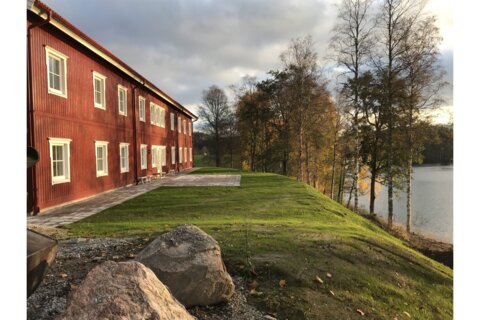
- Halvorsbøle Int. Retreat Centre, Oslo
Svend Davanger and Alice Cameron from Acem discuss how inner sound meditation may be used for relaxation, recovery and psychological change, in a conversation facilitated by Tony Nec.

Physician and meditation initiator Øyvind Ellingsen explores how smartwatches and lifestyle choices can influence the nervous system.
Ole Gjems-Onstad argues in this webinar that reflecting upon our own death may enrich life and satisfy an inner longing for existential fulfillment – as may meditative processes.

How meditation can help you understand: Projections and distortions in relationships, family and society.
In this webinar, instructor Jonas H. Meyer asks whether there is a link between how a salesperson might nudge and spark interest for a product and how we can open up for more of our spontaneous activity in meditation.

Halvor Eifring uses meditative traditions to shed light on modern rootlessness, spontaneous thought and the baggage we bring into meditation.
Svend Davanger, Erik Ekker Solberg and Vilde Haakensen look at what recent meditation research says when it moves from laboratory experiments to everyday stress.
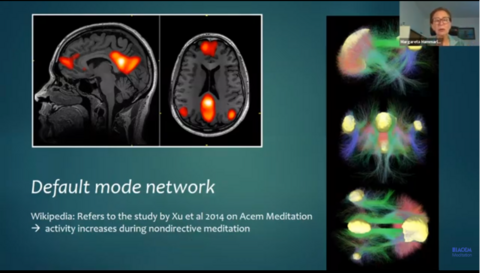
Margareta Hammarlund-Udenaes presents a research-based perspective on why it may be more fruitful to let spontaneous thoughts be there.

“In Acem Meditation, intuition is a dynamic part of meditating with a free mental attitude,” writes initiator Monika Wirkkala.
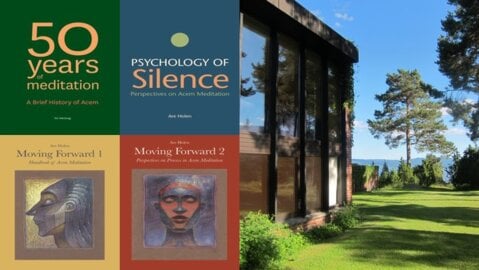
Some people wonder what Acem stands for. The name itself means nothing. The organization has developed through practice. From this, at least seven central “pillars” can be highlighted.

The fact that the world is changing may help us see more clearly what meditation has to offer.

I’ve always been an ambitious player. When I was a child, my parents did their utmost to prevent me and my sister from watching TV. So we were “forced” to play.

During lunch at work, we discuss our holiday plans. After I have told my colleagues that I am going on a meditation retreat in the summer, the conversation turns to meditation.

Many who learn Acem Meditation are satisfied with the short-term effects that the method provides. They feel that Acem Meditation enables them to relax, get rid of some of the day’s stress, and tap into a little more energy in their everyday life.

Do you enjoy meditation but can’t establish a regular habit right now? These perspectives may surprise you.

Restlessness and boredom may be a challenge in meditation – here is some advice that may help.

If you spend too much time staring at screens, read this article

– Acem Meditation and mental health
Get help to handle the strict and controlling thoughts in meditation.

How meditation can help discover the deeper currents within you.

We all have an inner unease, from small worries to intense catastrophic images. What happens when we let the unease in during meditation?

What can you do when the repetition of the meditation sound becomes mechanical? Here is some advice.

For some, a daily meditation rhythm falls naturally into place almost from the time they learn Acem Meditation; they sit down and meditate when they have planned to. It is something they want and easily manage.

New technology raises new questions - also in a meditative context.
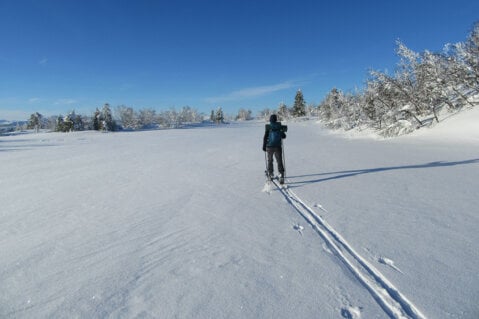
Skiing across the mountain plateau. A gale has blown the snow into crooked mountain birches and carved out sculptures - witches and trolls, the huldra and the whole Wild Hunt. Now the skis glide in sun through powder snow.

Why does the music awaken irritation and aversion? It has to do with how you use your attention.

"Life is what happens to you, while you're busy making other plans"
John Lennon.
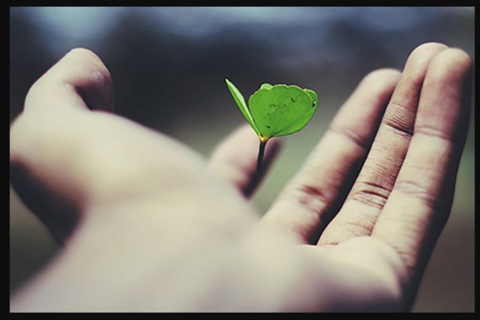
A young woman had begun to doubt how she should repeat the sound. Perhaps fear of what a more open awareness would bring?
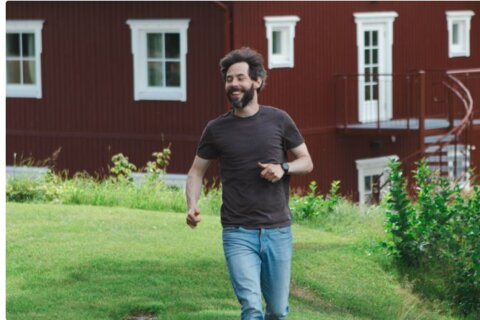
There is an outer and an inner silence. Acem's retreat center Lundsholm offers both. What is it like?
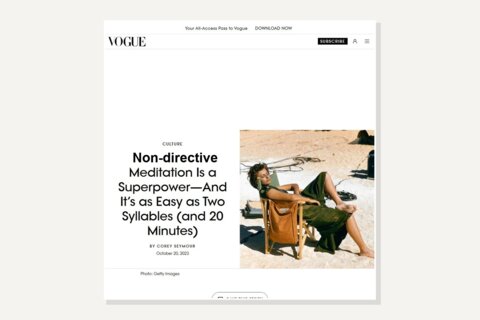
Meditation is in Vogue – not only in a recent issue of the magazine, but in the international press generally.
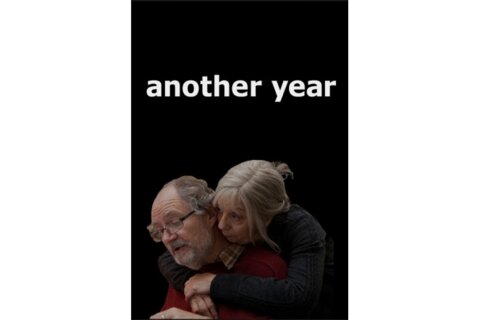
As a keen meditator for decades and a professional film and television producer for almost as long, I have been looking for meditative films. Alas, they are not easy to come by.

Cultural histories
Meditative practices have flourished in widely different parts of Eurasia, yet historical research on such practices is limited. Research to date has focused on contexts rather than actual practices, and within individual traditions.
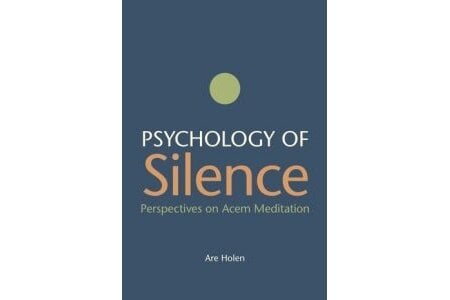
The classic introduction – available for the first time in English
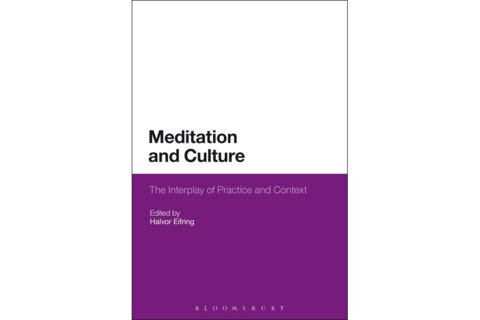
The recent book, Meditation and Culture: The Interplay of Practice and Context», edited by Halvor Eifring, has been reviewed in the journal Religious Studies Review (Vol. 43 No. 4, December 2017). The reviewer maintains that the book «offers provocative new insights for understanding meditation practice. …
Nondirective meditation is not about emptying the mind. Instead, mind wandering is seen as an important resource.
Nondirective meditation in science and philosophy
In the fifteen chapters of this new book, experts in neuroscience, medicine, psychology, philosophy, and the humanities share groundbreaking perspectives on how nondirective meditation interacts with brain and body, mind and culture.
A new book that should be of interest to meditators is now available online with open access through Frontiers in Psychology and Frontiers in Psychiatry:
Moving Forward 1, Handbook of Acem Meditation
Margareta Hammarlund-Udenaes
PhD, Professor, Acem Initiator
In what climate do you meditate? Is it easy to repeat your meditation sound and to let spontaneous thoughts come and go? When is it more difficult? When there are many thoughts, or no recognized thoughts, or when you have a tendency to fall asleep? Or perhaps when thoughts about certain situations come to mind?
by Torbjørn Hobbel
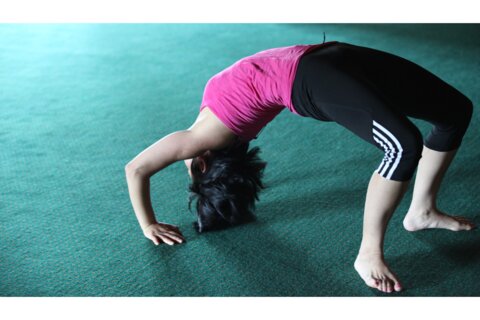
A free mental attitude – repeating the meditation sound gently and effortlessly in the mind and letting the stream of spontaneous thoughts come and go – is the basic principle of Acem Meditation. This attitude is essential to meditation. What about yoga? What is a free, open attitude on a bodily level?
Reasons for attending an Acem Meditation retreat.

It’s a busy evening like many others. There are e-mails to answer, bills to be paid, work-related tasks you should complete. You start out optimistically, get some stuff done, check your Facebook account, and move on.

When past, future, and fantasy are parts of the present moment
By Maria Gjems-Onstad
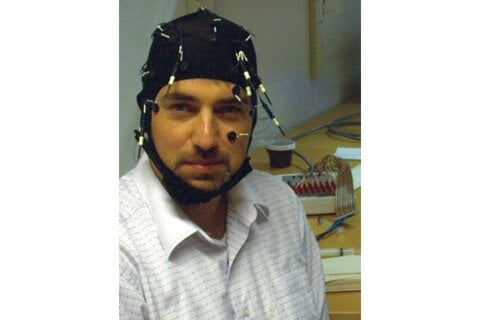
A milestone has been reached: First PhD on Acem Meditation
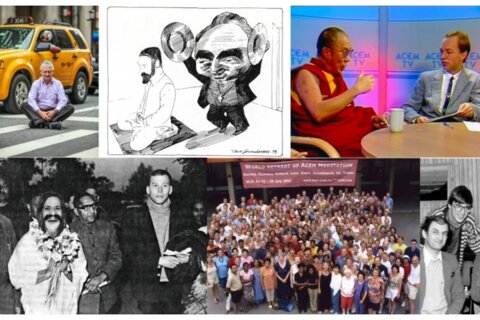
This webinar on October 2 will provide knowledge about the background of Acem and discuss some of the most important issues in Acem’s history from the beginnings in 1966 until today.
Acem Meditation World Retreat 2016

The first president of Acem India, Siba Kripa Bose, passed away on 25th May 2022
Rolf Brandrud
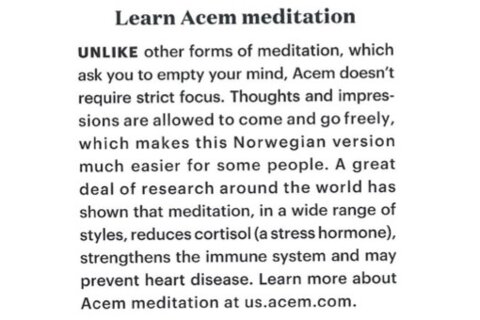
“Here are three novel techniques to help you de-stress,” writes MORE, an American magazine “for women of style and substance”. One of the techniques they recommend for those who want to “chill out” is Acem Meditation, because it does not ask you to empty your mind, but allows thoughts and impressions to come and go freely. This “makes this Norwegian version much easier for some people.”

Renowned psychiatrist and disaster survival expert Dr Are Holen is driven by the desire to improve our quality of life, writes R. Gowri of the New Straits Times from Malaysia.
The course went to the root causes of how I act in my life today, including things from my childhood and adolescence. This will help my relations with others, and I have a feeling that things will change in my work life, too.
Raquel Sanz: “Halvorsbøle is a good place for meditation.”

Studies indicate health gains from mind-body techniques
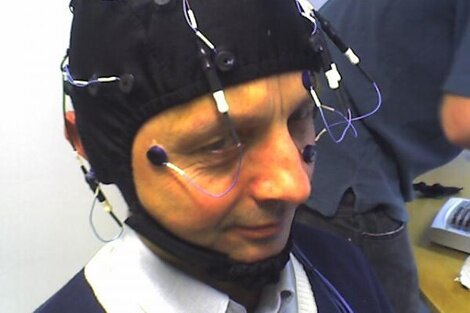
“There is a pressing need for a rigorous investigation of how meditation affects brain function.” Professor Jim Lagopoulos, Sydney University, studied electrical brain waves in Acem meditators. There was an abundance of theta waves in the frontal and middle parts of the brain, different from ordinary relaxation.
As an air traffic controller in Karlsruhe, Germany, Benjamin Kartal has a stressful job.
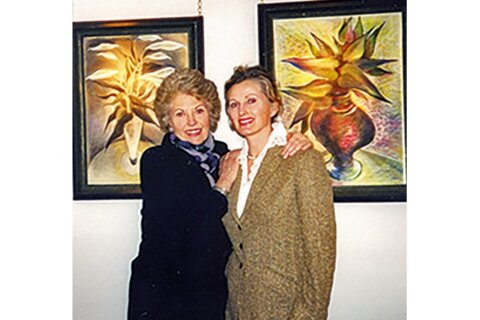
Astrid and Gry Iverslien – mother and daughter – share the interest in meditation, and both have made use of meditative processes in their creative professional activities.
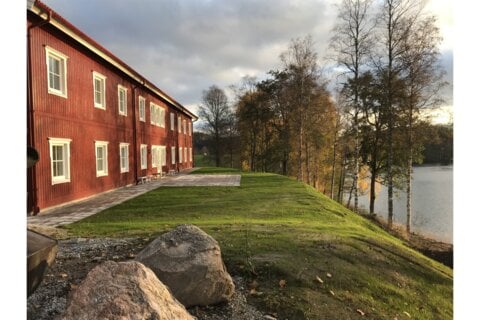
A brand new house built for long meditations.

An interview with meditating author of crime fiction Bjørn Bottolvs
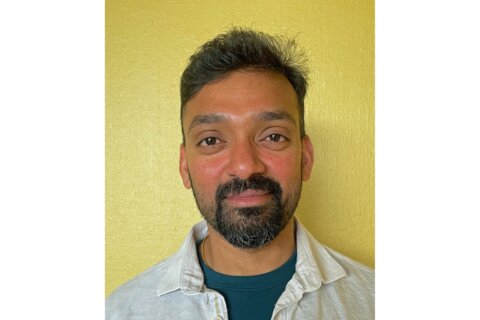
Parthiban Muthukrishnan, mechanical engineer, Tamil Nadu, India:

Anna Magnell, student, Stockholm, Sweden:
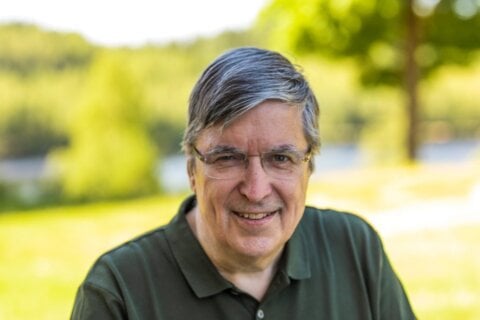
Words of remembrance by Acem’s founder Dr. Are Holen
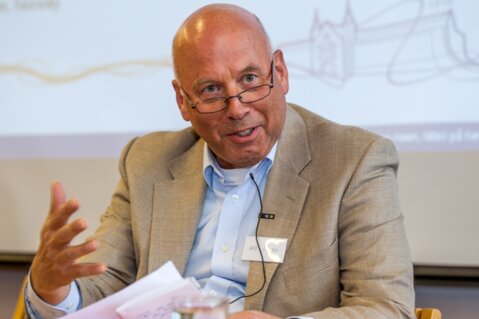
His Majesty the King of Norway has appointed Acem’s founder Dr. Are Holen as Officer of the Royal Norwegian Order of St. Olav for his services to society.
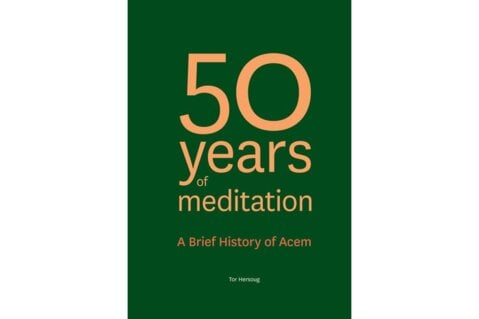
This book follows the development of Acem School of Meditation through its first 50 years, from a small group of students in Oslo in 1966 to an international non-profit organization teaching Acem Meditation on every continent.

Training in Interpersonal Communication
Halvorsbøle International Retreat Centre, Oslo
29 April – 7 May 2023
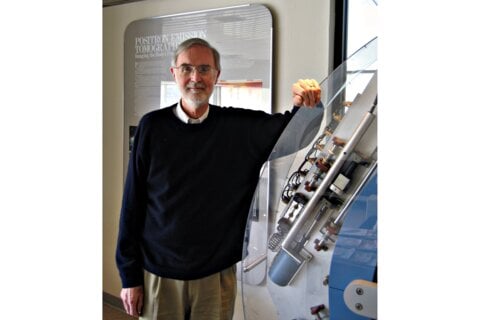
Marcus Raichle interviewed by Svend Davanger

It started with an experience. The last half of the 1960s was a period of open exploration, with large cohorts of young students from the post-war generation entering universities, seeking to change the world with their utopian and revolutionary dreams and ideologies.
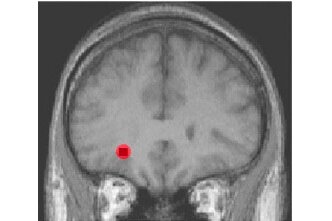
Brodmann Area 47, in the prefrontal cortex, is the brain area that most specifically characterises meditative activity, but only in techniques using an open, relaxed focus of attention.
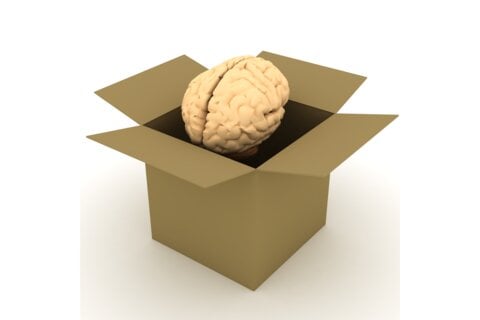
Mind-wandering, brain and meditation
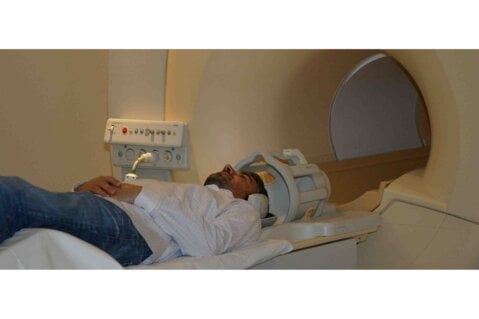
Nondirective meditation activates the brain’s resting network, allowing processing of thoughts, memories, and emotions
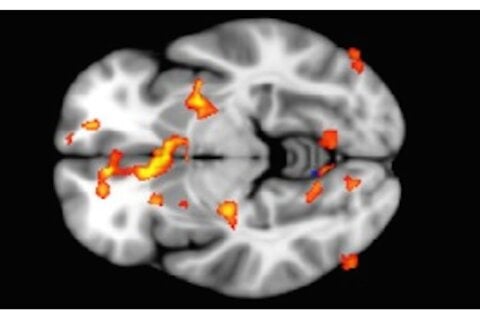
The brain shows more signs of relaxation during meditation than during ordinary rest. Nondirective meditation has a greater impact than does concentrative meditation, especially in parts of the cortex associated with the processing of stress, emotions, and memories.
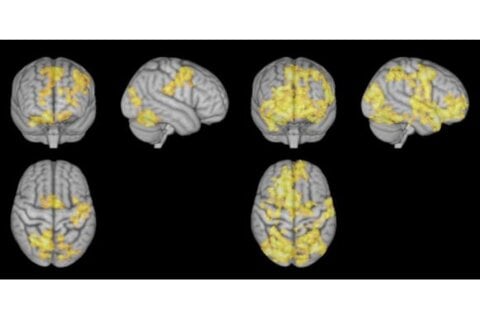
There are three main meditation-related areas in the brain, according to a new meta-analysis study: Insula, the prefrontal cortex, and the anterior cingulate cortex. All of these are located in the front half of the brain, and they seem to be involved irrespective of the type of meditation used.
– interview with Côme Ledésert
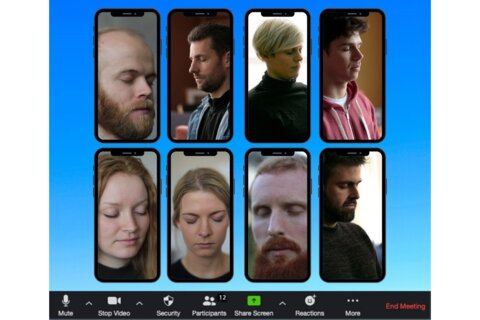
In June, Acem held a weekend meditation retreat with 12 participants from six different countries. That in itself is nothing new. What is new is that the 12 participants were all staying at home in those six different countries during the entire retreat. One participant was 10,000 kilometers away from the instructors in Oslo, on a remote island in the Indian Ocean. Acem’s first online retreat was on.
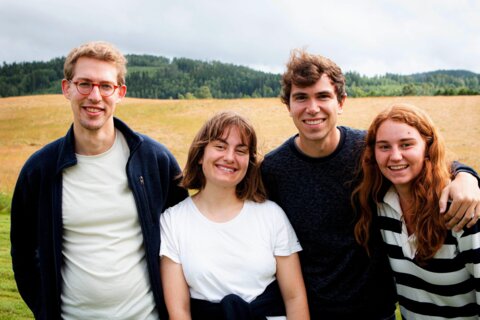
19 years old and from Uppsala, Sweden, Henrietta Kindmark participated for the first time in Acem International’s Young Retreat last summer. A week later she spoke about it in warm terms.

Lilo Woop took part in her first Deepening retreat in Acem Meditation earlier this year. What did she get out of it?
The unconscious is beyond our control, but still has an active presence in our lives. It influences our thoughts, feelings and actions.

“Meditate with a free mental attitude.” “Repeat the meditation sound with as little effort as possible.” “Go back to the sound as gently as you can at the time.” – You knew, that this is what the basic instruction for Acem Meditation says. And in the past it agreed with you. But not today, perhaps not for the past week, not the past month. Perhaps it never did, but you didn’t know.
We cannot control what comes to us spontaneously during meditation. Our focus is the volitional activity, the meditation practice itself. When we practice with a free mental attitude, we create a sort of mental freedom within us, where impressions, feelings, and fantasies can flow freely.

Taking a beginner’s course in Acem Meditation involves not only learning the basic instruction in the technique. Participants also receive advice on what conditions are favorable for developing a good meditation practice, both in regular life and at meditation retreats.
Shifting the mode of the mind is a common feature of various types of meditation used for stress management and personality development. In this article, Øyvind Ellingsen discusses similarities and differences in the ways mindfulness and Acem Meditation achieve such a shift.

The brain’s natural resting state is not a void or an absence of thoughts, but a spontaneous wandering among thoughts, episodes, images and feelings (1). Usually only 50 % of us are aware of them, but if we ask people at random, we learn that we all have such activity 30-50 % of the time, also when we are preoccupied with other activities.
Sound plays a central role in many forms of meditation, including Acem Meditation. What is it about sound that stimulates relaxation as well as psychological and existential processes?

Everyone who has learned Acem Meditation knows that meditation is not about emptying the mind, as many others tend to believe. The challenge is to become friends with everything that spontaneously emerges in consciousness.
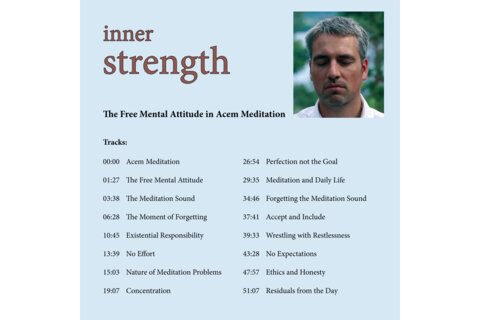
A podcast by Acem's founder Are Holen on how a free mental attitude can help meditation become less controlled and more open.

Go deeper and explore themes related to meditation. Our books cover research, cultural history, stress management, personal development, resilience, and how you can approach silence in meditation.